

Most people know their birthstone, but far fewer know their birth flower, even though the idea has been around for centuries. Each month has its own flower tied to it, and the meanings behind them go back to old European and Victorian traditions where flowers were used to say things words couldn’t. At DP Saini Florist & Bakers, we’ve noticed more customers asking for birth month bouquets lately, especially for close friends and family, where a regular rose bunch feels a bit too generic. So here’s a proper rundown, month by month, of what these flowers are and what they’re supposed to mean.
January – Carnation
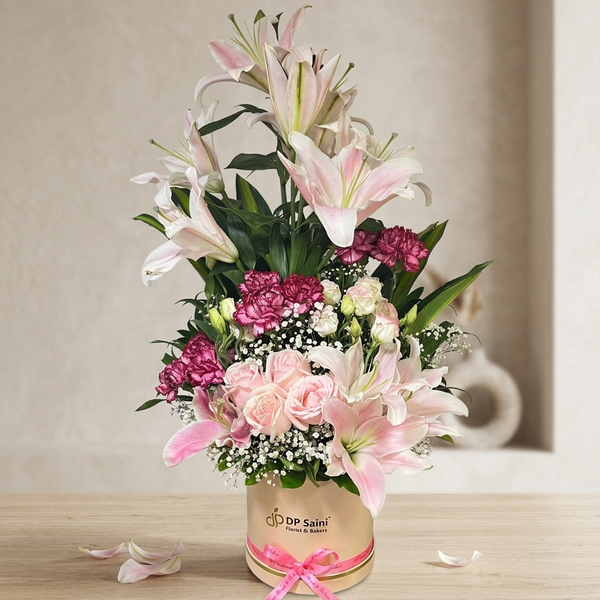
If you were born in January, your flower is the carnation. It stands for love and admiration, though the exact meaning shifts a bit depending on colour. Pink usually points to a mother’s love, red to deeper affection. Carnations are also just practical, they last well into the second week if you keep the water clean, which makes them a smart pick for winter birthdays when you want something that won’t wilt in a day or two.
February – Violet and Primrose
February actually gets two flowers, violet and primrose. Violet is tied to modesty and quiet loyalty, primrose to young love. Neither one is easy to find at a typical Indian flower market though, so honestly, most of what we send out for February birthdays ends up being purple asters or soft white blooms mixed in with carnations. It’s not the exact flower, but it keeps the colour story and the sentiment intact.
March – Daffodil
Daffodils mean new beginnings, which makes sense given they show up right as winter starts breaking. The tricky part is that daffodils aren’t really grown commercially here, so if someone asks for a March birth flower bouquet, we usually steer them toward yellow gerberas instead. Same energy, same brightness, just easier to source and fresher when it arrives.
April – Daisy
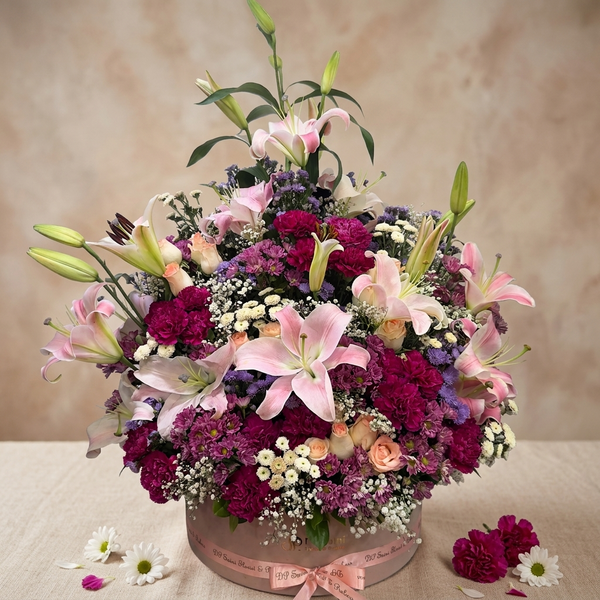
April’s flower is the daisy, and it’s probably the easiest one on this list to actually get. It represents innocence and loyal love, nothing complicated. Daisies work particularly well for younger recipients or for anyone who isn’t really into big, dramatic bouquets. Simple, cheerful, done.
May – Lily of the Valley
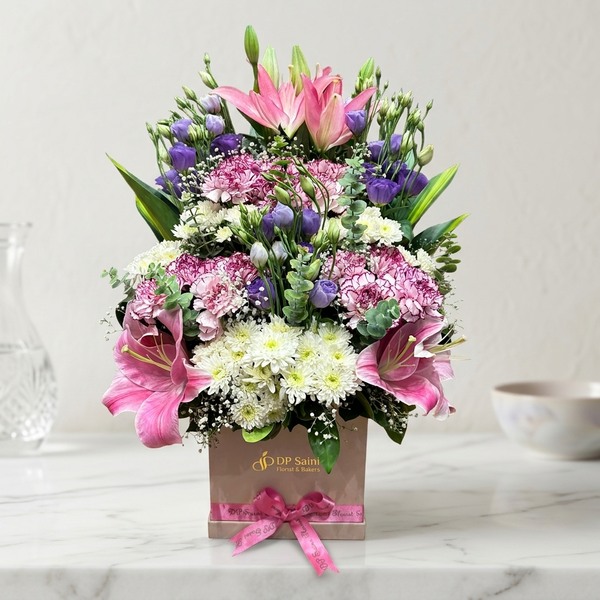
Lily of the valley is one of those flowers that looks stunning in photos and almost never shows up in real bouquets, at least not in India. It’s meant to symbolise humility and a return to happiness. Since it’s basically unavailable here, we tend to offer a regular lily bunch instead, or a white flower bouquet, which keeps that same delicate, elegant look people are usually going for.
June – Rose
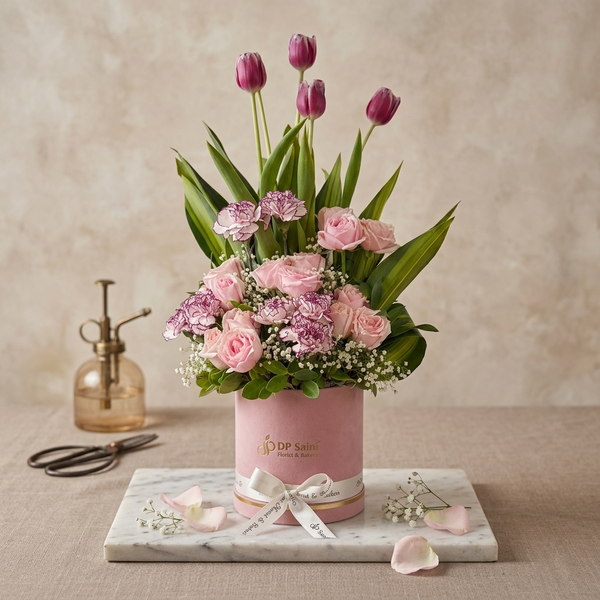
June is an easy one. The rose has been the symbol of love for so long that most people don’t even think of it as a “birth flower” anymore, it’s just the flower. The nice part is how much room you have to personalise it, since rose colour genuinely does shift the meaning, from red for romance to yellow for friendship. If someone’s birthday falls in June, a rose flower bouquet basically never misses.
July – Larkspur
Larkspur stands for positivity and an open heart, but like a few others on this list, it’s not something you’ll find at most Indian florists. When customers ask for it, we usually put together something with blue or purple tones instead, sometimes a hydrangea bunch, sometimes mixed blooms, just to keep that same cool-toned, uplifting feel.
August – Gladiolus
Gladiolus is a good one because it actually is available here, and it makes a statement. Tall stems, bold colour, meant to represent strength and integrity. It works well on its own in a vase, but we also mix it into bigger arrangements with roses or lilies when someone wants a fuller August bouquet.
September – Aster
September’s flower is the aster, which stands for wisdom and faith. What’s convenient is that asters bloom around the same time as chrysanthemums, so the two pair naturally in a bouquet without needing to force anything together. Purple and white asters especially look good against yellow or bronze chrysanthemums.
October – Marigold
Marigold season and festival season basically overlap in India, so this one’s easy to fulfil. It represents warmth and creativity, and the orange and yellow tones give any October bouquet a lot of energy. Given how much marigold is already used for Diwali and Navratri decor around this time, sourcing fresh stock is rarely an issue.
November – Chrysanthemum
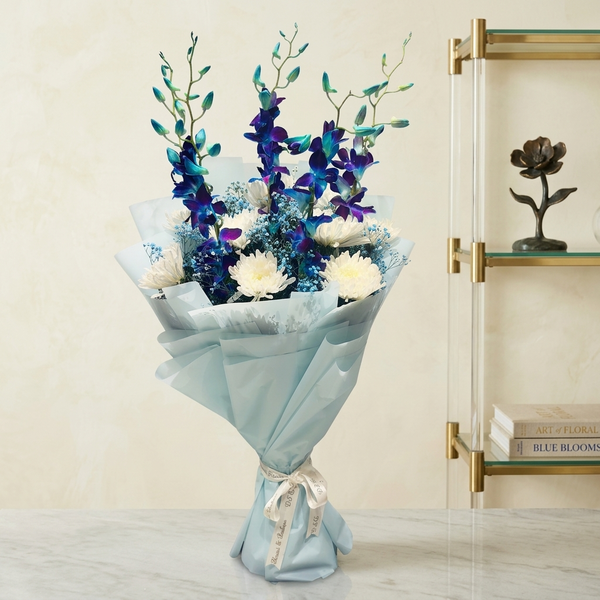
Chrysanthemum is November’s flower, tied to joy and long life. It’s also just a reliable flower to work with this time of year since it’s in full bloom and holds up well. White, yellow, or purple chrysanthemums mixed together make a solid, cheerful bouquet without needing much else added to it.
December – Narcissus and Holly
December closes out the year with narcissus and holly. Narcissus looks a lot like a daffodil, so we usually substitute gerberas or other white flowers when it’s requested. Holly is more of a decorative, Christmas-associated plant than something used in bouquets, but we can work small touches of it into a festive arrangement if someone specifically wants that look.
Why bother with a birth flower bouquet at all
Honestly, most people who order these aren’t doing it because the flower itself is rare or special, it’s the thought behind it that lands. Anyone can send roses. Sending someone their actual birth flower tells them you looked something up, that you cared enough to get it right. At DP Saini Florist & Bakers, we’ll always try to use the real birth flower where it’s realistically available, and when it’s not, we build something close enough in colour and feeling that the gesture still comes through.
FAQ’s
1. What is a birth flower and where does the idea come from?
A birth flower is a specific flower assigned to each month of the year, similar to a birthstone. The tradition dates back to old European customs where flowers were used to symbolise feelings and virtues tied to the time someone was born.
2. Are all birth flowers easily available in India?
No. Flowers like carnation, rose, daisy, marigold, and chrysanthemum are widely available, but others such as violet, larkspur, and lily of the valley are rarely grown commercially in India, so a close substitute in similar colour and style is usually offered instead.
3. Can I gift someone their birth flower even if it’s not their birthday?
Yes. Birth flowers make a thoughtful gift any time of year, not just on birthdays. They work well for personalised presents where you want something more meaningful than a standard flower bouquet.
4. What if two people in the same family have different birth months?
You can either order separate small bouquets for each birth flower, or combine both flowers into one mixed flower bouquet, which also makes for a nice shared gift for couples or siblings.
5. Do birth flower bouquets cost more than regular bouquets?
Not necessarily. Pricing depends on the actual flowers used rather than the birth month theme itself, so a bouquet built around common flowers like carnations or roses costs the same as any standard order.
