





Have you ever walked into a room and felt like the air was just… heavy? Stuffy, stale, and a little suffocating, especially in Indian homes during the harsh summer months or when the windows stay shut during monsoon? You’re not imagining it. Indoor air can actually be more polluted than outdoor air, thanks to VOCs (Volatile Organic Compounds) released by furniture, paints, cleaning products, and even new curtains.
The good news? Nature has a beautiful, budget-friendly solution, air purifying indoor plants.
Back in 1989, NASA conducted a landmark Clean Air Study to find ways to purify air in space stations. What they discovered changed the way we think about houseplants forever. Certain indoor plants could actively filter harmful toxins like benzene, formaldehyde, and carbon monoxide from the air. And the best part? These same plants are available at your nearest nursery or online plant store!
Whether you’re looking to green up your bedroom, living room, balcony, or office desk, this room-by-room guide has you covered. And if you’ve been searching for the perfect gift for a loved one, many of these plants make wonderfully thoughtful, eco-friendly presents too.
Let’s dive in.
1. Snake Plant (Sansevieria trifasciata) — The Bedroom Champion
If there’s one air purifying plant that almost every plant parent in India swears by, it’s the Snake Plant. Known for its tall, sword-like leaves with beautiful green and yellow patterns, this plant is practically indestructible.
What makes the snake plant extraordinary is that, unlike most plants, it releases oxygen at night through a process called CAM Photosynthesis. That makes it the absolute best indoor plant for your bedroom. It removes formaldehyde, benzene, xylene, and trichloroethylene from the air, toxins that commonly lurk in paints and synthetic materials.
Best for: Bedroom, low-light corners
Care tip: Water only when the soil is completely dry, once every 2–3 weeks is enough!
2. Money Plant (Epipremnum aureum) — Good Fortune + Clean Air
The Money Plant is practically a staple in Indian homes. Grandmothers plant it in water bottles, millennials hang it in macramé pots, it’s everywhere, and for good reason. Beyond its reputation for bringing prosperity and good luck (who doesn’t want that?), the money plant is a powerful air purifying plant that removes formaldehyde, carbon monoxide, and benzene.
It’s extremely forgiving, grows in both soil and water, and thrives in indirect sunlight, perfect for living rooms, kitchens, or that little corner near the TV.
Best for: Living room, kitchen
Care tip: Wipe leaves occasionally with a damp cloth to keep them dust-free and effective at purifying air.
3. Peace Lily Plant (Spathiphyllum) — The Elegant Air Detoxer
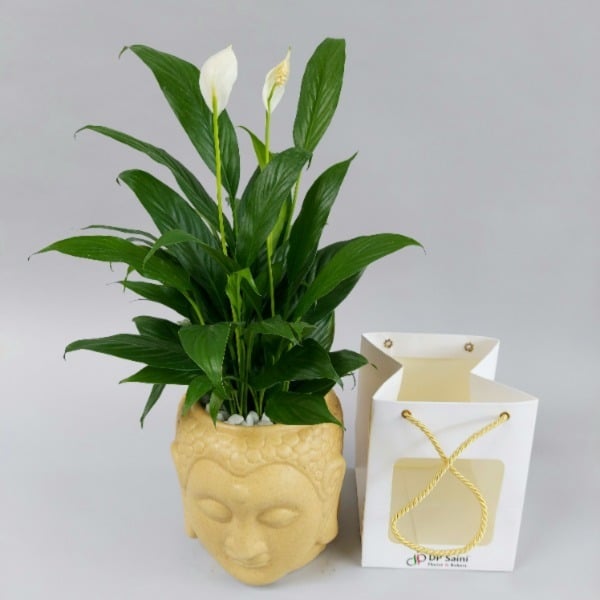
If you want beauty and function in one package, the Peace Lily Plant is your answer. With its glossy dark green leaves and elegant white flowers, it adds a touch of sophistication to any room. NASA rated it among the top air purifying indoor plants for removing ammonia, benzene, formaldehyde, and trichloroethylene.
The Peace Lily also acts as a natural humidifier, making it perfect for air-conditioned rooms that tend to get very dry. It’s also a lovely gift for housewarmings, Diwali, or new office setups.
Best for: Bedroom, office, living room
Care tip: Loves shade, keep away from direct sunlight. Water when leaves start to droop slightly.
4. Dracaena Plant — The Office Air Purifier
Walk into any corporate office or hotel lobby in India, and you’re likely to spot a Dracaena Plant. Tall, sculptural, and low-maintenance, this indoor plant is a workplace favourite. It effectively removes xylene, toluene, benzene, formaldehyde, and trichloroethylene, chemicals commonly found in printer inks, paints, and varnishes.
There are many varieties of Dracaena, from the bold Red-Edged Dracaena to the subtle Janet Craig, all excellent air purifiers for indoor spaces.
Best for: Office desks, corporate spaces, living rooms
Care tip: Avoid overwatering. Dracaena is sensitive to fluoride, use filtered or rainwater if possible.
5. Bamboo Plant (Dracaena sanderiana) — The Lucky Air Cleaner
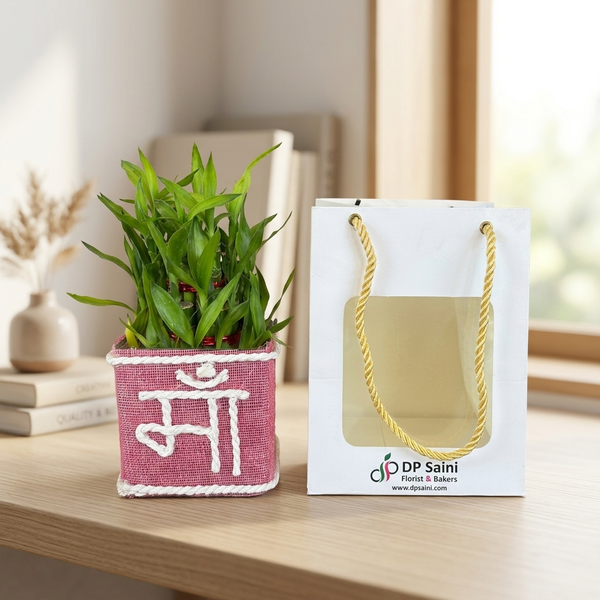
The Bamboo Plant (or Lucky Bamboo) is deeply embedded in Indian gifting culture. Whether it’s a birthday, promotion, or wedding, a bamboo plant is almost always a welcome present. It symbolises good luck and positive energy. From an air quality perspective, it helps filter benzene and trichloroethylene, making it a meaningful and functional gift.
It grows happily in a vase of water or in well-drained soil, making it versatile for any home setting.
Best for: Study room, office desk, gift
Care tip: Change the water every two weeks. Keep in bright, indirect light.
6. Aglaonema Plant (Chinese Evergreen) — Colour + Clean Air
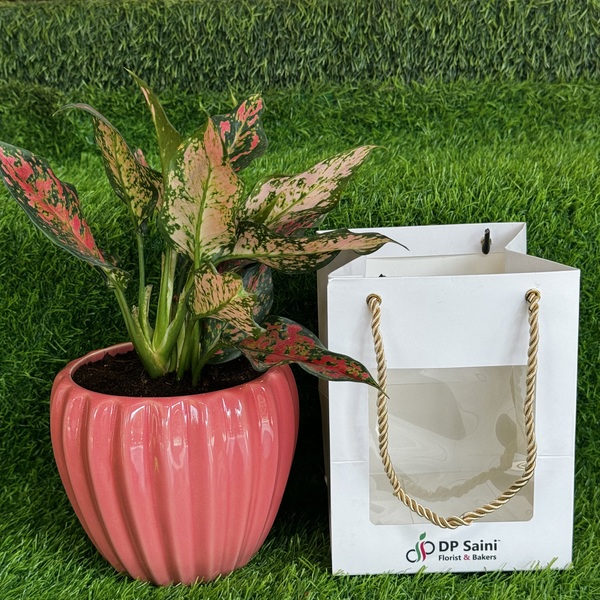
Want an indoor plant that’s as visually striking as it is functional? The Aglaonema Plant, commonly known as Chinese Evergreen, comes in stunning shades of red, pink, silver, and green, a showstopper in any room. It removes formaldehyde and benzene, and it tolerates low light beautifully, making it ideal for Indian homes with smaller windows.
Aglaonema is also considered auspicious in many Asian cultures and makes a wonderful Diwali or housewarming gift.
Best for: Living room, shaded balcony, hallway
Care tip: Avoid cold drafts. Water moderately and enjoy the colours!
7. Crassula Plant (Jade Plant) — The Balcony Gem
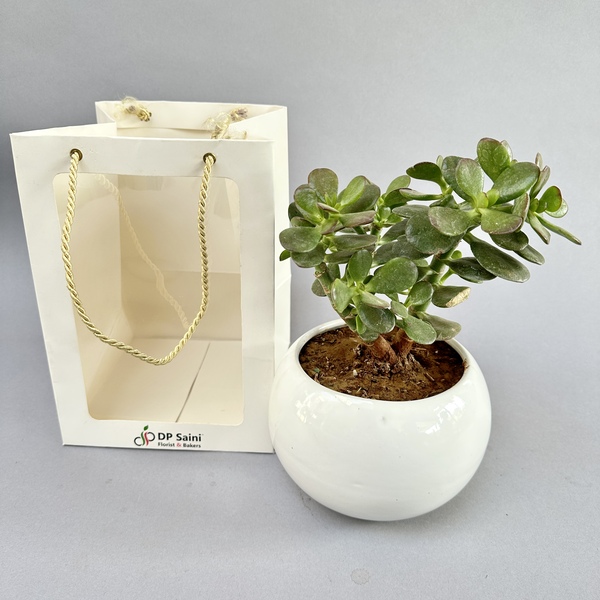
The Crassula Plant, better known as the Jade Plant, is a succulent that’s gaining huge popularity in Indian homes and balcony gardens. While it’s primarily celebrated as a Feng Shui plant symbolising wealth and prosperity, it’s also a quiet but effective air purifying plant that helps improve indoor air quality.
Its thick, fleshy leaves store water, meaning it’s one of the most drought-tolerant plants on this list. Perfect for those of us who tend to forget watering!
Best for: Balcony, windowsill, sunny corner
Care tip: Needs at least 4 hours of sunlight daily. Water sparingly.
8. Croton Plant — Bold, Beautiful, and Beneficial
If your home needs a dramatic pop of colour, the Croton Plant is calling your name. With its striking leaves in shades of red, orange, yellow, and green, this indoor plant is impossible to ignore. Beyond its aesthetic appeal, Croton helps improve the overall quality of indoor air by absorbing pollutants.
It loves warmth and humidity, which makes it perfectly suited for Indian climatic conditions. Place it near a bright window and watch it thrive.
Best for: Living room, balcony, porch
Care tip: Loves bright, indirect light. Mist the leaves occasionally to maintain humidity.
9. ZZ Plant / Zamia Plant (Zamioculcas zamiifolia) — Zero Maintenance, Maximum Impact
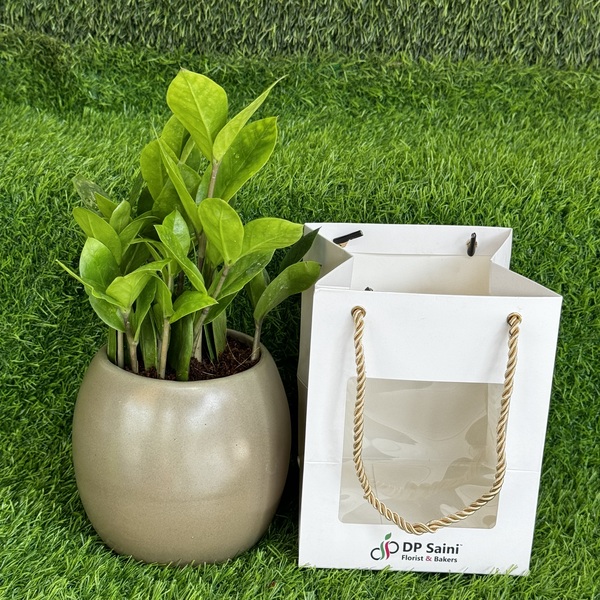
The Zamia Plant (ZZ Plant) is practically unkillable, and we mean that as a compliment. It can survive low light, irregular watering, and even neglect. It absorbs xylene, toluene, and benzene from the air while looking sleek and modern in any interior setting.
In Indian homes where some corners never see direct sunlight, the Zamia Plant is a godsend. It’s also one of the most recommended air purifying plants for beginners.
Best for: Dark rooms, bathrooms, office corridors
Care tip: Water once every 2–3 weeks. Truly one of the easiest indoor plants to grow.
10. Laxmi Kamal Plant (Echeveria) — Positivity and Purity Combined
The Laxmi Kamal Plant holds a special place in Indian homes, particularly for its spiritual significance. Named after Goddess Lakshmi, this beautiful rosette-shaped succulent is considered a symbol of prosperity, purity, and divine energy. Beyond its sacred reputation, it contributes to improved air quality by releasing oxygen and reducing indoor toxins.
It’s a stunning addition to a pooja room, entrance, or window ledge — and makes an incredibly meaningful gift for festivals like Daxmi Puja or Akshaya Tritiya.
Best for: Pooja room, entrance, windowsill
Care tip: Needs good sunlight. Plant in well-drained soil and avoid overwatering.
Bonus Mention: Aglaonema & Christmas Tree Plant (Araucaria heterophylla)
The Christmas Tree Plant (Norfolk Island Pine) isn’t just for December! It’s a charming, pyramid-shaped indoor plant that serves as a year-round green decor piece while helping filter indoor air pollutants. It’s especially popular as a gifting option during the festive season.
Quick Room-by-Room Summary
| Room | Best Air Purifying Plant |
| Bedroom | Snake Plant, Peace Lily |
| Living Room | Money Plant, Aglaonema, Croton |
| Office/Study | Dracaena, Bamboo, ZZ Plant |
| Balcony | Crassula, Croton, Laxmi Kamal |
| Kitchen | Money Plant, Peace Lily |
| Bathroom | ZZ Plant, Peace Lily |
Why Air Purifying Indoor Plants Are the Smartest Investment for Your Home
Beyond looking gorgeous on your shelf, air purifying plants work silently around the clock, absorbing toxins, releasing oxygen, and improving the overall mood and energy of your space. Studies have shown that indoor plants can reduce stress, boost productivity, and even improve sleep quality.
And unlike expensive air purifiers, plants don’t require electricity, spare parts, or monthly maintenance costs. They ask for nothing but a little water, some sunlight, and a little love.
Whether you’re gifting them to a friend moving into a new home, treating yourself to a healthier living space, or simply trying to reconnect with nature in your urban apartment, these 10 air purifying indoor plants are a perfect place to start.
Go green, breathe easy.
Looking to bring home one of these plants? Explore our curated collection of air purifying indoor plants, perfect for gifting, decorating, and breathing better every single day.
FAQs
Q1. Which is the best air purifying indoor plant for beginners in India?
The Snake Plant and Money Plant are the best choices for beginners. Both are extremely low-maintenance, thrive in indirect light, and effectively remove common indoor toxins like formaldehyde and benzene. They grow well in Indian climatic conditions and require watering only once every 1–2 weeks.
Q2. How many air purifying plants do I need in a room?
As a general guideline, NASA recommends approximately 1 medium-to-large plant per 100 square feet of space for noticeable air purification benefits. For an average Indian bedroom of about 150–200 sq ft, 2 to 3 plants placed strategically near corners or windows is ideal.
Q3. Are air purifying plants safe for pets and children?
Not all air purifying plants are pet-safe. Peace Lily and Aglaonema can be mildly toxic to cats and dogs if ingested. The Spider Plant, Bamboo Plant, and ZZ Plant are generally considered safer options for homes with pets and small children. Always check before placing plants within reach of animals or toddlers.
Q4. Can I keep air purifying plants in the bedroom overnight?
Yes! Plants like the Snake Plant, Aloe Vera, and Peace Lily are excellent for bedrooms because they either release oxygen at night or have minimal CO₂ output after dark. The Snake Plant, in particular, is the most recommended indoor plant for bedrooms due to its night-time oxygen release.
Q5. Which air purifying plant makes the best gift in India?
The Bamboo Plant, Money Plant, and Laxmi Kamal Plant are the most popular gifting choices in India because they carry positive cultural significance along with air purifying benefits. The Peace Lily is also a thoughtful gift for housewarmings and office openings, as it’s elegant, easy to care for, and highly effective at cleaning indoor air.
